
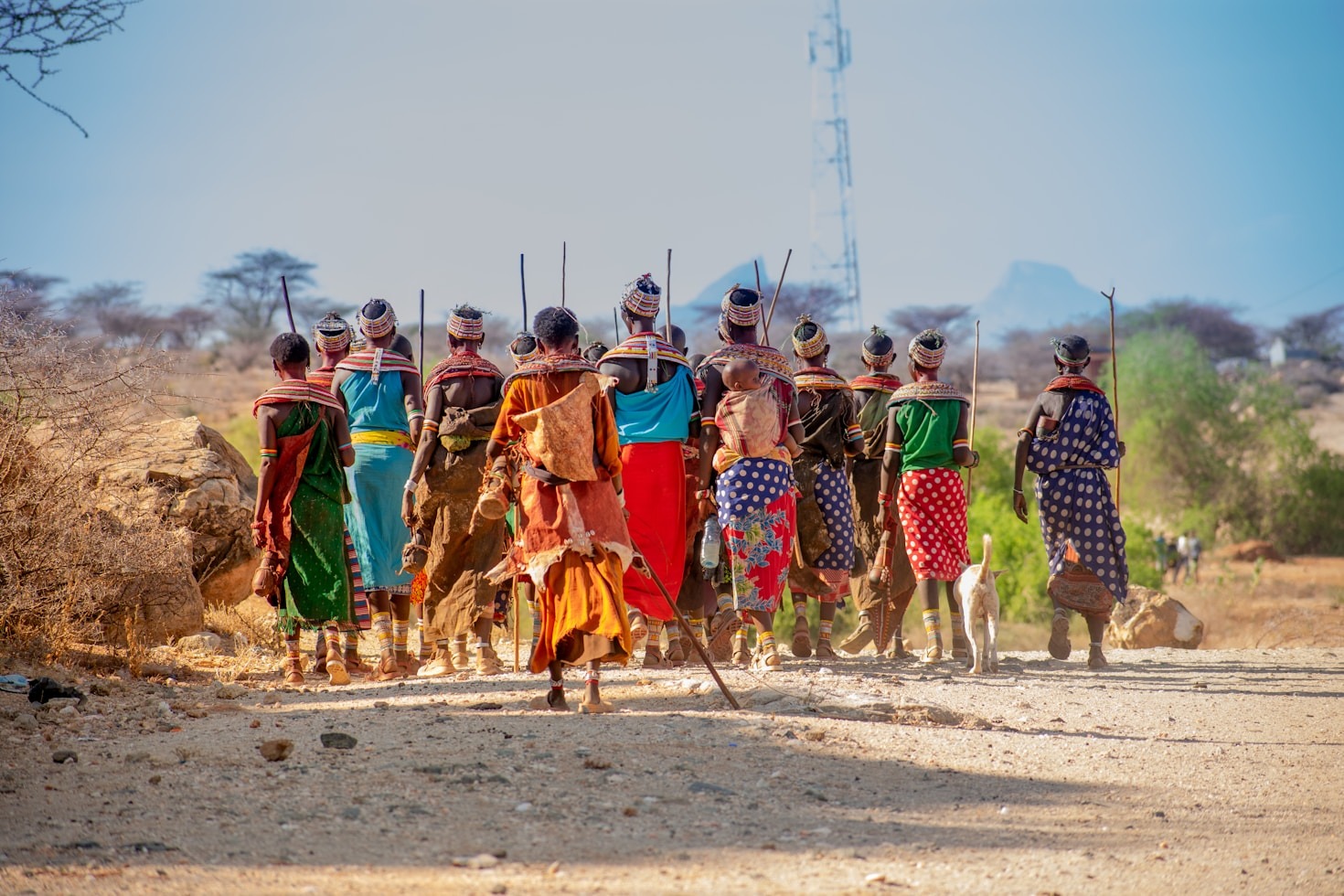
Africa’s landscapes are breathtakingly diverse, from vast savannahs and rolling hills to lush rainforests and golden deserts. These natural wonders have long inspired the continent’s musicians, shaping rhythms, melodies, and stories that echo the environment. In this blog post, we explore how African landscapes influence music, connecting listeners to the continent’s natural beauty and cultural richness. By understanding this relationship, we gain insight into how artists translate visual scenery into auditory experiences, enriching both music and our appreciation of Africa’s diverse environments.
“Nature sings in every rhythm; the land, the sky, and the rivers all have a melody waiting to be heard.”
Across Africa, musicians draw inspiration from their surroundings, incorporating natural sounds and themes into their work. For instance, the drumming patterns in West African music often mimic the rhythm of rainfall or the flow of rivers, creating a sonic reflection of daily life in harmony with nature. In Southern Africa, the wind-swept plains and mountain ranges influence the pacing and texture of local folk songs, while in East Africa, coastal communities use the sounds of waves and birds to inspire melodies that celebrate their environment. These examples show that music and landscapes are intertwined, with nature shaping both the tone and the narrative of African compositions.


The influence of landscapes extends into contemporary African music as well. Modern artists frequently incorporate field recordings, natural soundscapes, or lyrical imagery that evokes forests, deserts, and savannahs, bringing listeners closer to the environments that inspired the songs. This blending of traditional motifs and modern production highlights the ongoing dialogue between Africa’s natural world and its evolving musical identity. It also encourages environmental awareness, reminding audiences of the beauty worth preserving and celebrating through artistic expression.
Wrapping Up with Key Insights
African landscapes are more than scenery—they are a source of creativity that continues to shape the continent’s music. From traditional drumming patterns to contemporary songs enriched with natural sounds, the environment informs rhythm, melody, and storytelling. By appreciating the connection between landscapes and music, listeners gain a deeper understanding of Africa’s cultural and ecological richness. The next time you listen to African music, let the rhythms guide you through savannahs, mountains, and rivers, and experience the beauty of the continent in every note.
Leave a Reply