
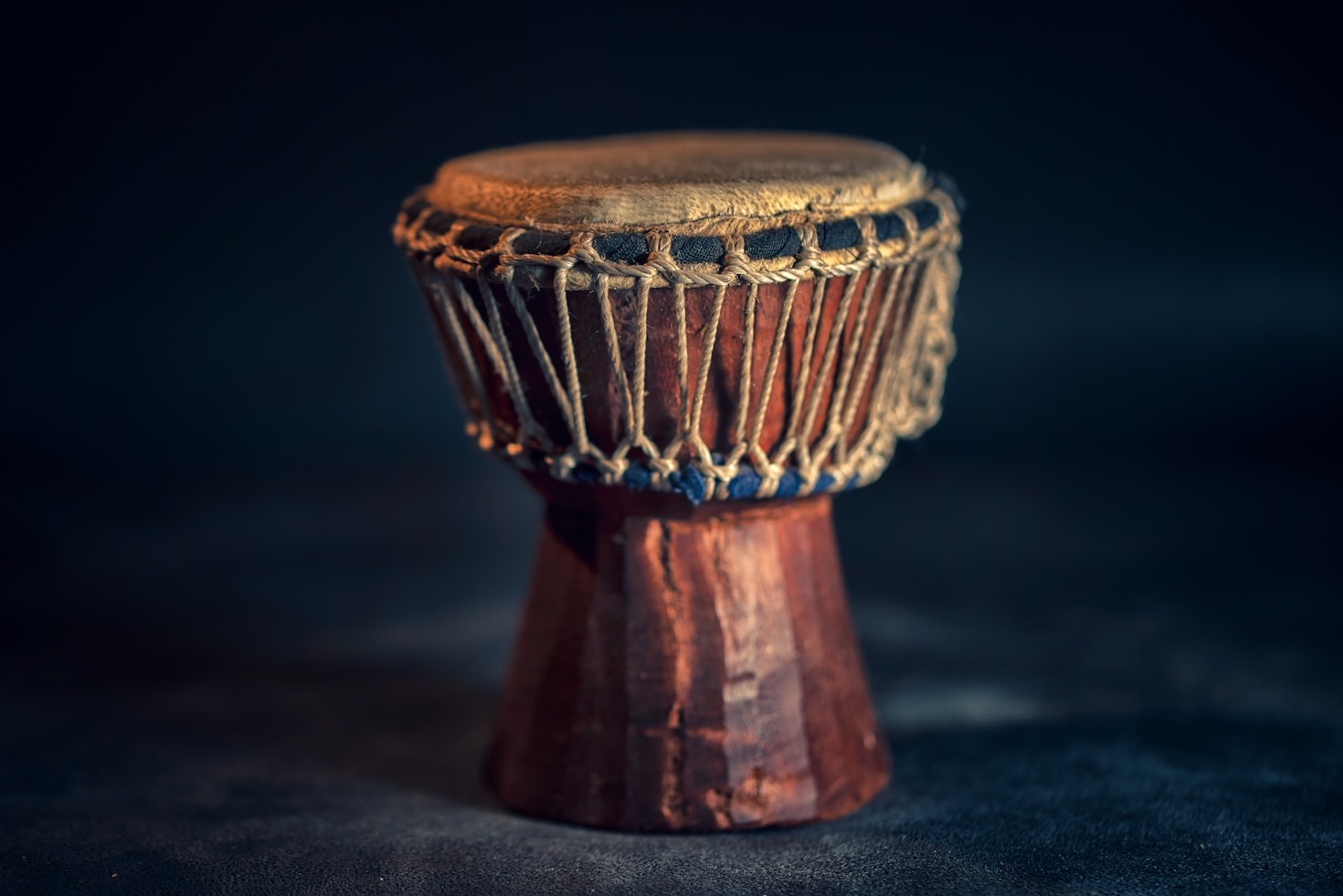
Exploring the Diverse Rhythms of Africa
Africa’s music is as vast and vibrant as the continent itself, carrying centuries of history, culture, and storytelling within its rhythms. From traditional drum patterns passed down through generations to modern global sounds like Afrobeats and Amapiano, African music continues to evolve while staying rooted in heritage. In this blog post, we explore the diverse rhythms that shape Africa’s musical identity and why they continue to captivate listeners around the world. As digital platforms such as Spotify, Apple Music, and YouTube bring African music closer to global audiences, the richness of these sounds has become impossible to ignore. Whether you are a casual listener or a passionate music lover, understanding the diversity of African rhythms offers a deeper appreciation of the continent’s cultural heartbeat.
“In every African rhythm lies a story — of people, places, struggles, and celebrations. When the drums speak, history dances.”
Across the continent, each region contributes its own musical signature. In Nigeria and West Africa, the global rise of Afrobeats led by artists such as Burna Boy and Wizkid blends traditional percussion with modern pop and hip-hop influences. South Africa’s Amapiano movement, championed by artists like Kabza De Small, introduces smooth piano melodies layered with deep house rhythms. In East Africa, Bongo Flava artists such as Diamond Platnumz mix Swahili lyrics with Afro-pop beats that resonate across borders. These genres not only entertain but also serve as cultural expressions that reflect everyday life, social issues, and celebrations within African societies.


Beyond popular genres, Africa’s musical diversity extends into traditional forms that continue to influence modern sounds. Instruments like the talking drum, kora, and mbira carry spiritual and cultural significance in many communities. Today’s artists frequently blend these elements with contemporary production techniques, creating a fusion that appeals to both local and international audiences. The result is a musical landscape where ancient rhythms meet modern innovation, reminding listeners that African music is not just evolving—it is shaping global musical trends. As more artists experiment with cross-cultural collaborations, the continent’s musical influence continues to expand.
Wrapping Up with Key Insights
Africa’s diverse rhythms tell a powerful story of heritage, creativity, and cultural pride. From traditional drum circles to global streaming hits, African music reflects the dynamic spirit of the continent and its people. Exploring these sounds not only broadens our musical horizons but also deepens our understanding of the cultures behind them. For listeners, the best way to experience this diversity is to explore artists from different regions, support emerging talent, and stay curious about the stories embedded within each rhythm. As Africa’s music continues to resonate across the world, one thing remains clear: its rhythms are not just heard—they are felt.
Leave a Reply