
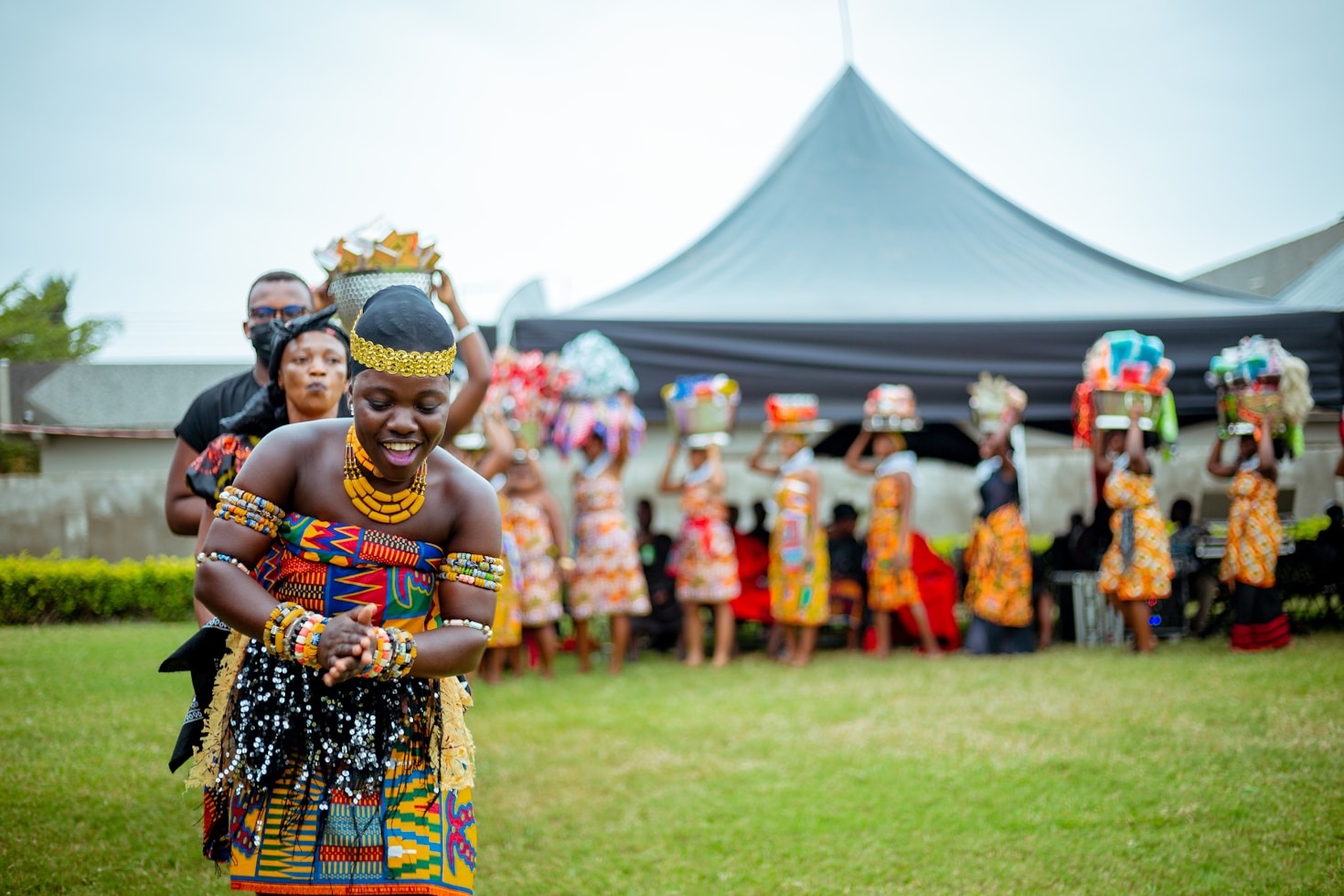
African music is deeply rooted in tradition, storytelling, and cultural expression, and at the heart of it all are the instruments that bring these stories to life. Across the continent, traditional instruments have played a vital role in ceremonies, celebrations, and everyday life for centuries. From rhythmic drums that communicate messages to melodic string instruments that accompany folk songs, these tools of sound define the unique character of African music. In this blog post, we explore some of the traditional instruments that have shaped Africa’s musical heritage and continue to influence modern sounds heard today on platforms like Spotify, Apple Music, and YouTube. Understanding these instruments not only enriches our listening experience but also connects us to the cultural heartbeat of Africa.
“When traditional instruments play, they do more than create music—they carry the voices of ancestors and the rhythm of generations.”.
Among the most recognizable African instruments is the talking drum, widely used in West Africa to mimic the tones of human speech and send messages across villages. The kora, a beautiful 21-string harp-lute originating from the Mandinka people of West Africa, produces soothing melodies often used in storytelling and praise singing. Another iconic instrument is the mbira, sometimes called the thumb piano, which holds spiritual significance in many Southern African cultures. These instruments are not merely tools for entertainment; they serve as vessels of history, spirituality, and community identity. Even today, modern artists and producers frequently incorporate their sounds into contemporary genres, creating a bridge between tradition and innovation.


As African music gains global recognition, there is growing appreciation for the traditional instruments that laid its foundation. Many younger musicians are rediscovering these sounds and blending them with modern genres like Afrobeats and Amapiano. This fusion raises interesting questions about preservation and evolution—how can traditional music remain authentic while adapting to modern audiences? Some cultural scholars argue that innovation keeps traditions alive, while others emphasize the need to protect original playing techniques and cultural contexts. Regardless of perspective, one thing remains clear: traditional instruments continue to inspire new generations and enrich the evolving soundscape of African music.
Wrapping Up with Key Insights
Traditional instruments are more than musical tools—they are symbols of Africa’s cultural memory and artistic heritage. From the expressive rhythms of the talking drum to the gentle melodies of the kora and the spiritual tones of the mbira, these instruments tell stories that connect past, present, and future. By learning about and appreciating these sounds, listeners gain a deeper understanding of African music and the cultures behind it. Whether you explore traditional recordings or modern songs that incorporate these instruments, embracing these rhythms helps keep Africa’s musical heritage alive for generations to come.
Leave a Reply